
Hiring a utility locator is a critical, non-negotiable step before initiating any digging or excavation project, from planting a tree to constructing a foundation. The cost of this service is not a flat fee, but rather an investment that varies based on a matrix of factors, including property size, depth, and density of utilities, required detection technology, and overall project complexity. While pricing differs significantly from one job to the next, professional locating services are universally designed to prevent catastrophic utility strikes, costly project delays, and severe safety hazards. This guide explores the factors that influence utility locating costs and explains why this service is a highly cost-effective investment for any project involving the ground.
Utility locating costs vary based on the scope and complexity of the digging project.
The cost of utility locating increases directly with project size, complexity, and the sophistication of the detection methods required. A simple job, like locating lines for a residential fence, will incur a much lower fee than scanning a multi-acre commercial site for a new building pad. Key determinants include the total area to be scanned—often measured in linear feet for trenching projects or square feet for full-site investigations—and the depth at which utilities are buried. Dense urban areas with a tangled web of electrical, gas, water, and telecommunications lines require more meticulous and time-intensive work than a rural property with few services. Ultimately, the time a certified technician must spend on-site is a primary driver of cost, scaling with the project’s demands.
Different types of utility locating services influence overall pricing.
Utility locating prices depend significantly on whether the service scope includes only public utilities, private utilities, or a comprehensive scan of both. In the United States and Canada, calling 811 (or the local “Call Before You Dig” number) is a free service that triggers the marking of publicly owned underground lines by the respective utility companies. However, this service has critical limitations: it typically ends at the meter or property line. All lines beyond that point—such as private sewer laterals, landscape lighting, septic systems, or gas lines to a pool heater—are the property owner’s responsibility. This “responsibility gap” means that for complete site safety, a private utility locating service is essential. The cost reflects this comprehensive coverage, ensuring no subsurface hazard is overlooked.
Detection methods affect the cost of professional utility locating.
The technology employed to find underground utilities directly impacts pricing. Basic electromagnetic locating is a common and cost-effective method for detecting conductive utilities like metal pipes and cables. A technician induces a signal onto a line and uses a receiver to trace its path. However, for non-conductive materials like plastic PVC pipes, concrete conduits, or voids, Ground Penetrating Radar (GPR) is required. GPR is an advanced technology that uses radar pulses to create a subsurface image, providing data on both metallic and non-metallic objects. Because GPR requires more expensive equipment, specialized training, and often more time for data interpretation, it typically commands a higher price. The required depth accuracy and surface materials (e.g., soil vs. rocky ground) further dictate the method and associated cost.
Site conditions and accessibility directly impact utility locating costs.
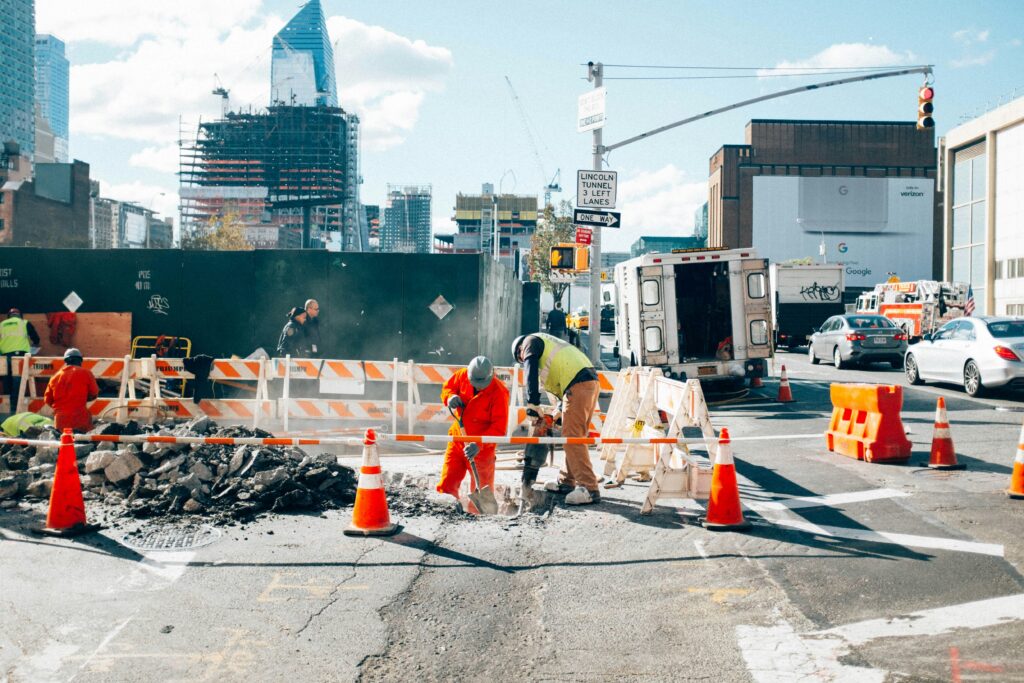
Not all ground is created equal, and challenging site conditions invariably increase the time, labor, and equipment required for accurate utility locating, thereby raising costs. Scanning through thick concrete or asphalt slabs requires different techniques and more effort than scanning open soil. Heavily landscaped areas with gardens, trees, or hardscaping can obstruct equipment access and necessitate more manual work. Sites requiring traffic control for work along roadways or in busy urban areas add logistical complexity and expense. Furthermore, weather-related challenges like snow cover, frozen ground, or recent heavy rainfall can impede detection accuracy and extend project timelines, all of which factor into the final quote.
Utility locating costs are significantly lower than the cost of utility strikes.
When weighed against potential risks, hiring a utility locator is far less expensive than the repercussions of damaging an underground line. The repair and replacement costs for a severed fiber optic cable, gas line, or water main can be astronomical, often reaching tens or even hundreds of thousands of dollars. Beyond direct repair, safety and liability risks include potential injury, explosion, or service outages to an entire neighborhood. Regulatory fines for failing to follow proper excavation protocols can be severe. Most damaging to a project’s bottom line, however, is the project downtime incurred while repairs are made, investigations are completed, and work is re-authorized—delays that can stretch for weeks. The modest upfront cost of professional locating pales in comparison.
Residential utility locating costs differ from commercial and industrial projects.
The scale and requirements of a project fundamentally shape its locating cost. Residential utility locating for a single-family lot is typically the most affordable option. The scope is limited, infrastructure is less dense, and reporting needs are often simpler. In contrast, commercial and industrial projects involve multi-acre sites with a high density of complex utilities, including high-voltage lines, large-diameter pipes, and industrial process lines. These projects require more extensive scanning, higher-resolution data, and detailed reporting requirements—including CAD drawings or GPS-mapped utility records—for engineering and construction teams. This increased scope, accuracy, and documentation naturally result in higher service fees.
Clear pricing expectations help project owners plan excavation budgets accurately.
Understanding how utility locating services are priced empowers property owners and contractors to budget accurately and avoid unexpected expenses. Providers may offer flat-rate pricing for defined, standard projects (e.g., a single residential lot scan) or hourly rates for complex, open-ended work. A preliminary site assessment or review of existing records can help generate a more accurate estimate. Crucially, clients should confirm what is included in the quote: does it cover both written reports and physical markings on the ground? Are there additional fees for travel, report generation, or follow-up visits? Proactively discussing scheduling considerations—such as rush fees for last-minute requests—also ensures financial planning remains on track.
Professional utility locating ensures compliance and reduces project risk.
Beyond cost, professional utility locating is a cornerstone of legal and safety compliance for all digging projects. Local regulations and building codes often mandate accurate subsurface investigation before permitting excavation work. A professional service provides the accurate markings and documentation needed to demonstrate compliance with local regulations, protecting the project from stop-work orders and fines. This documentation also facilitates contractor coordination, ensuring every person operating machinery knows exactly where hazards lie. Ultimately, this rigorous approach provides peace of mind, transforming an unknown risk into a managed, documented part of the project plan.
Experienced utility locating companies provide accurate results and long-term value.
Choosing a provider based solely on the lowest bid can be a costly mistake. Hiring an experienced utility locating company delivers reliable results that protect both people and project budgets over the long term. Look for firms that employ certified technicians with extensive field experience. They should utilize advanced, well-maintained equipment suitable for your site’s specific challenges. Clear communication throughout the process—from scoping to reporting—is vital. Most importantly, a provider should have a proven track record of accuracy, as the true value of their service is measured by what they prevent: the strike, the delay, the disaster. This expertise, while sometimes carrying a premium, is the most cost-effective choice a digger can make.
FAQ Section
1. How much does it cost to hire a utility locator?
Costs vary widely, typically ranging from $150 to $800+ for residential projects. Commercial and industrial projects can cost from several hundred to several thousand dollars, depending on size, complexity, and technology required.
2. Is utility locating required before digging?
In most jurisdictions, yes. It is both a legal requirement and a critical safety practice. Failure to locate utilities can result in fines, liability for damages, and criminal charges in case of injury.
3. Does calling 811 cover all utility locating needs?
No. 811 only covers the marking of publicly owned utility lines up to the meter or property line. Private lines on your property require a separate, private utility locating service.
4. What factors affect utility locating pricing?
Key factors include property size, utility depth and density, required detection technology (e.g., GPR), site accessibility, surface conditions, and the level of reporting detail needed.
5. Is private utility locating worth the cost?
Absolutely. The cost of locating private lines is minuscule compared to the cost, danger, and delay of striking a sewer line, buried electrical cable, or gas line on your property.
6. How long does utility locating take?
A standard residential locate can often be completed in under two hours on-site. Larger commercial sites may require a full day or more. The process from request to report can take 2-5 business days, so plan ahead.
7. Are utility locating costs tax-deductible for projects?
Often, yes. For business, rental, or investment properties, utility locating fees are typically considered a deductible business expense or can be capitalized into the project’s cost basis. Consult a tax professional.
8. What happens if utilities are damaged during digging?
The responsible party (typically the excavator or property owner) is liable for all repair costs, municipal fines, service interruption fees, and any resulting injuries or property damage. Insurance may not cover strikes if due diligence (like proper locating) was not performed.
9. Do utility locators provide reports or documentation?
Reputable companies provide both physical paint/flag markings on the ground and a written or digital report detailing the findings, methods used, and a diagram of located utilities.
10. How do I choose a reliable utility locating company?
Seek companies with certified technicians (e.g., through NUCA or similar bodies), positive references, appropriate insurance, clear pricing, and a commitment to using multiple technologies (like both electromagnetic and GPR) for comprehensive results.